
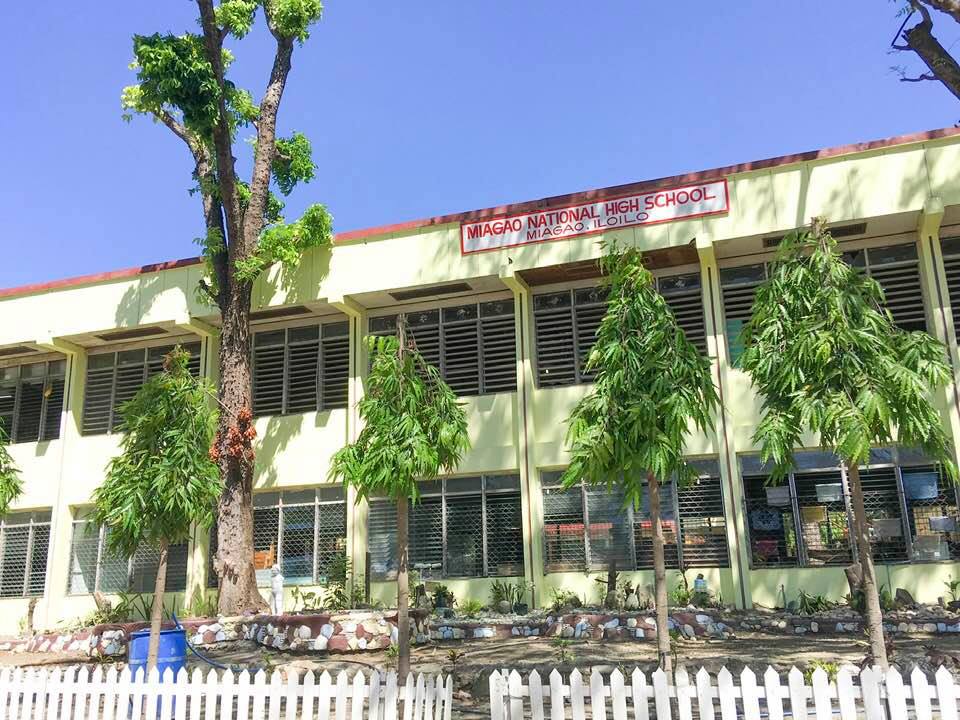
1.1 School Profile
1.1.1 Information about school
School name:       Miagao National High School
School Type:       Public Schools
Address:           National Hwy, Miagao, 5023
Date Established:  08/22/2000
Mobile Number:     +63 33 315 9477
Fax Number:        033 - 3159477
Website:           Not stated
E-mail:            mnhs.mail@gmail.com
School Head:       LYDIO T. TERRE, JR. / OIC, Principal I
1.2 Academic supporting system
1.2.1 Quality of Education
School support students to learn in a child-friendly, safe, and supportive environment for effective learning to happen. Teachers in here facilitate every learning.
1.2.2 Department Organization
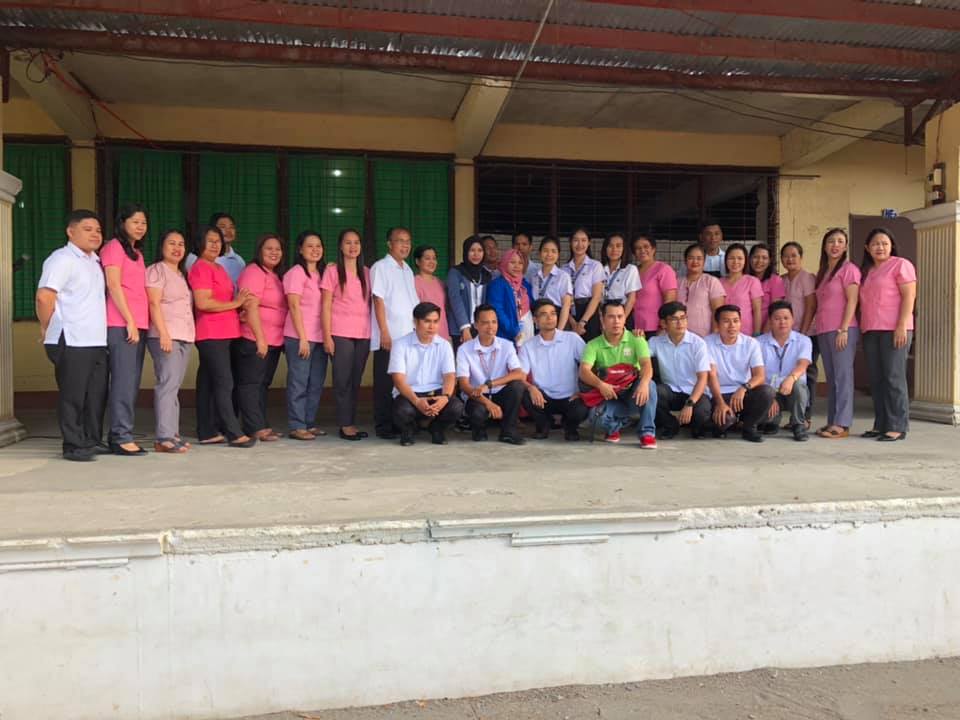
| Number of Teachers: | In junior high school: 61 person |
| In senior high school: 36 person | |
| Total number of teaching staff : | 97 person |
1.2.3 Student Affairs
The school has diverse activities example intramural that sport days, celebration for our national language, United nations and Salakayan Festival. In addition, every Monday morning, all students have to perform a ceremony, in front of the flag, they stand in line and sing national anthem for show respect of the nation.
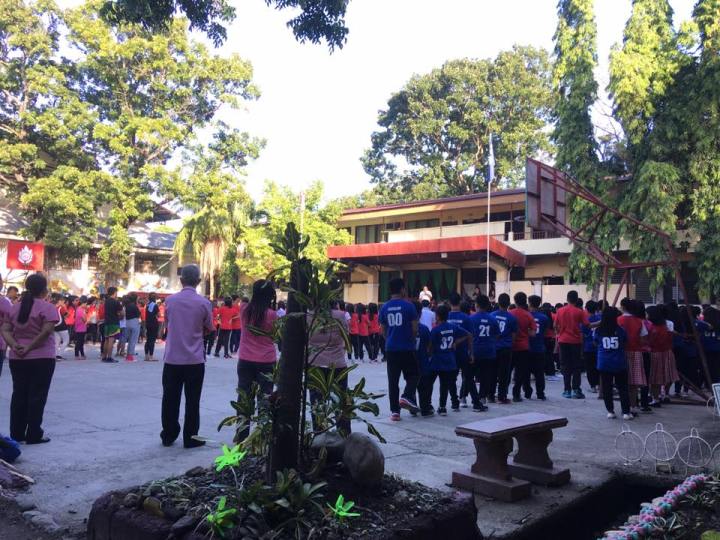
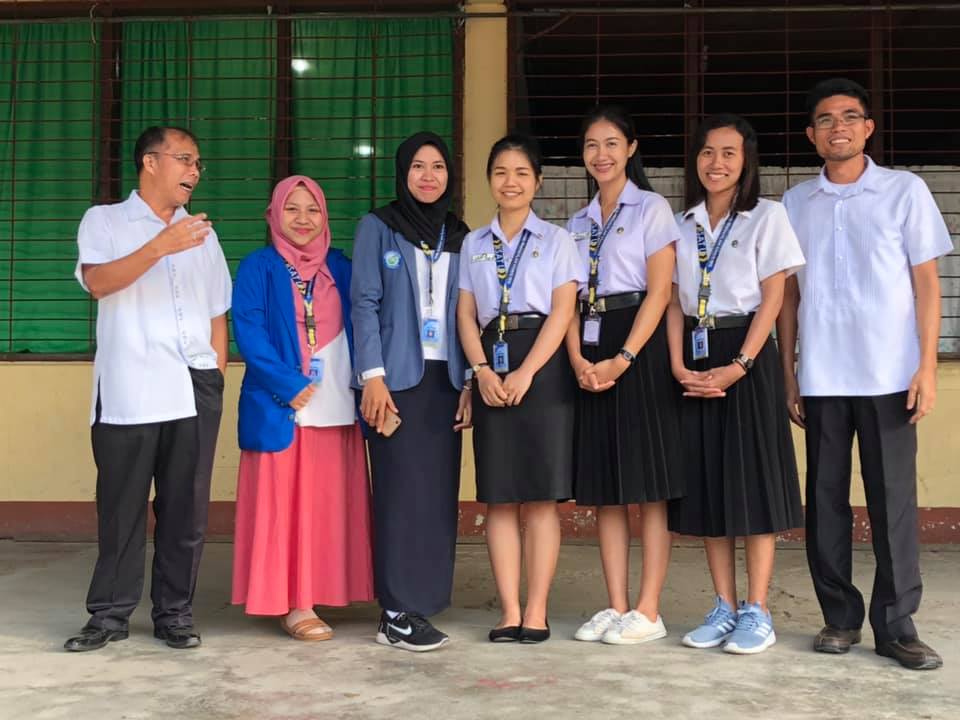
I and my friends joined morning ceremony.
1.2.4 Partnership Parents / Community
The relationship between Parents and the school is a strong relationship. When students do activity such as practice to dance the parents support and facilitated. Parents can see the teacher’s instruction at any time are actively engaged and share responsibility for developing learners.
1.2.5 Facilities and infrastructure
Facilities and infrastructure:
| No. | Facility |
| 1 | Principal’s Room |
| 2 | Office’s Room |
| 3 | Kadampig teen canteen room |
| 4 | Space for Facilities and Infrastructure |
| 5 | Office of the guidance counselor |
| 6 | Classrooms |
| 7 | Computer Laboratory |
| 8 | Canteen |
| 9 | First aid room |
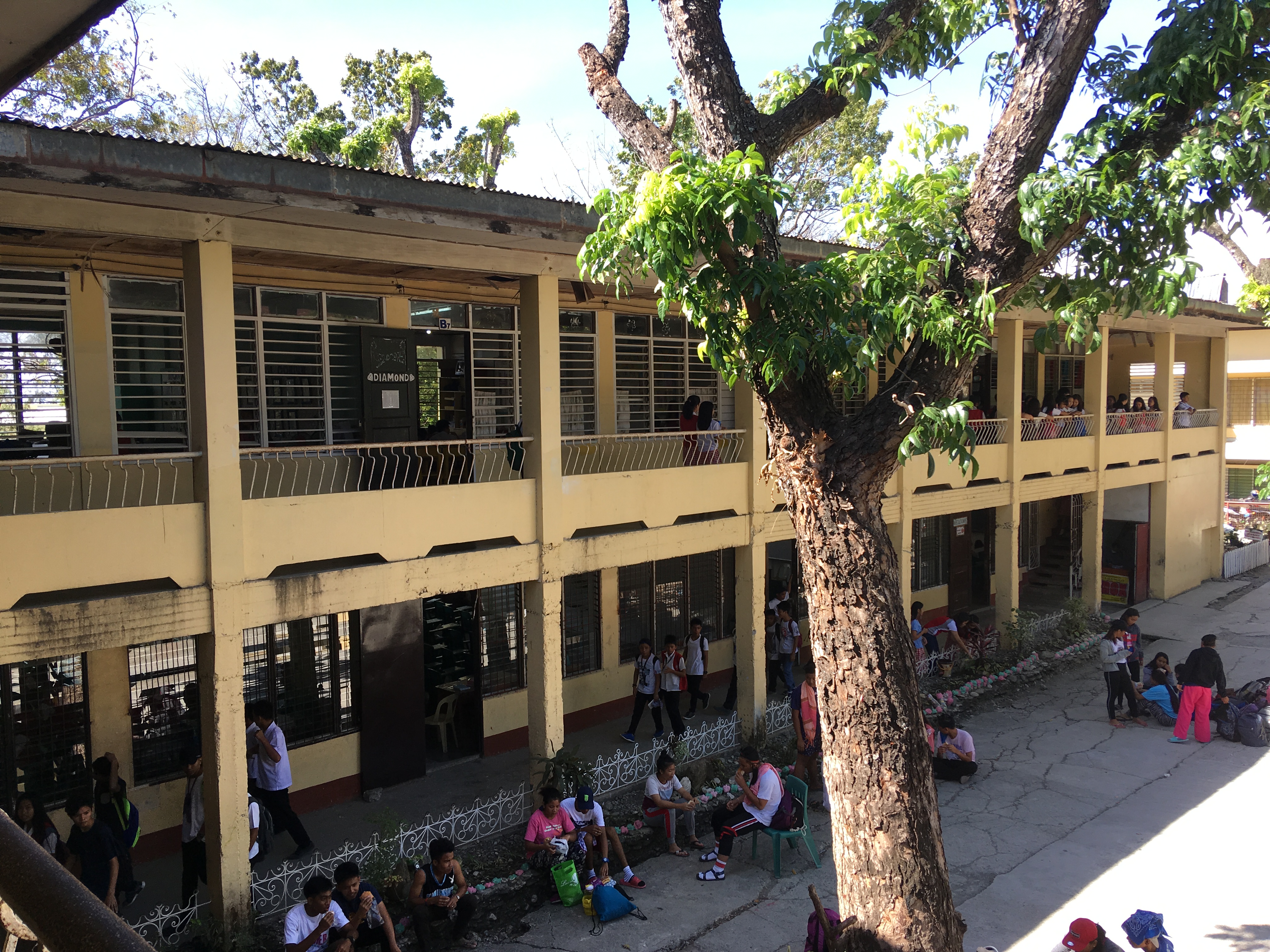
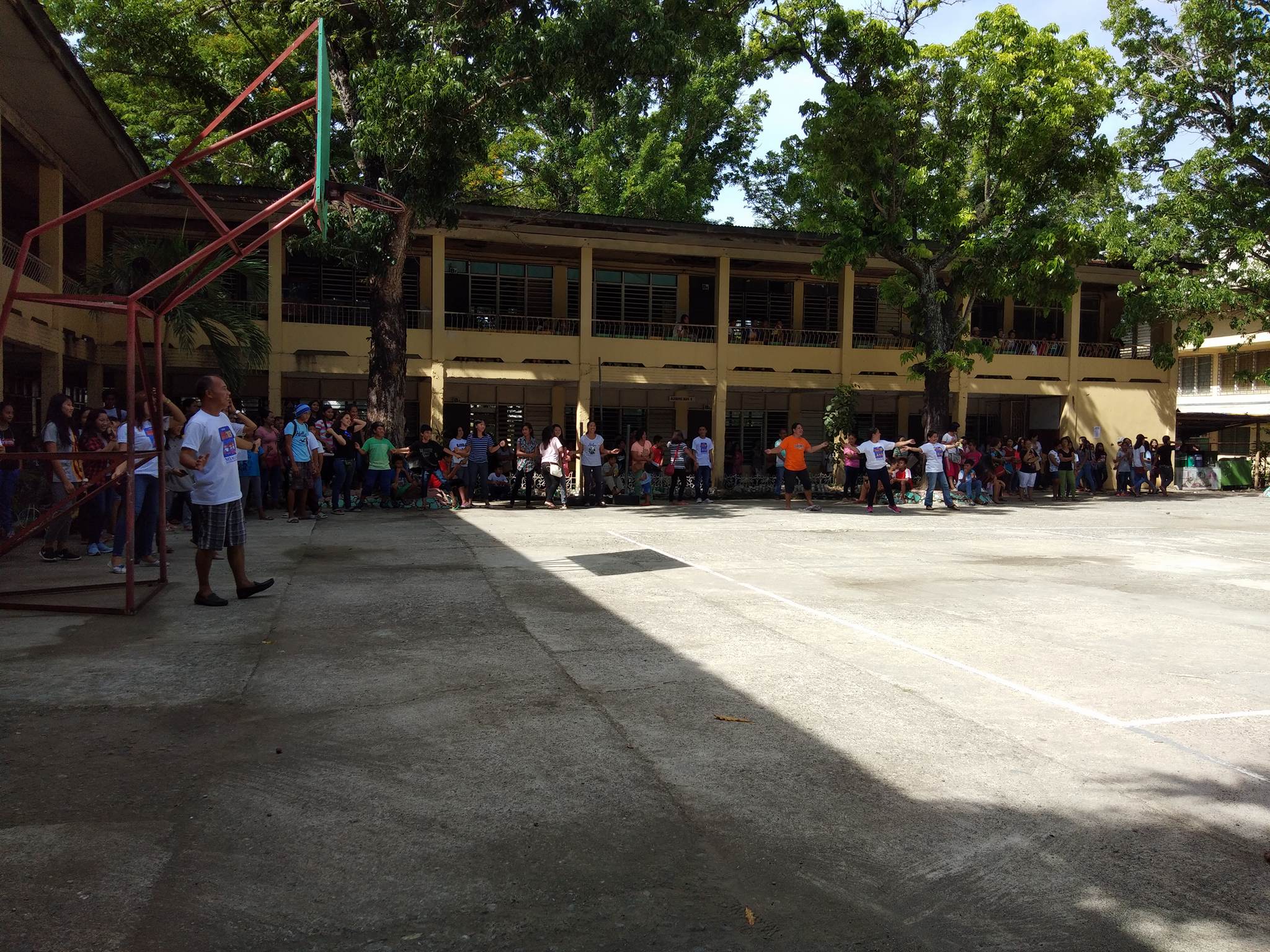
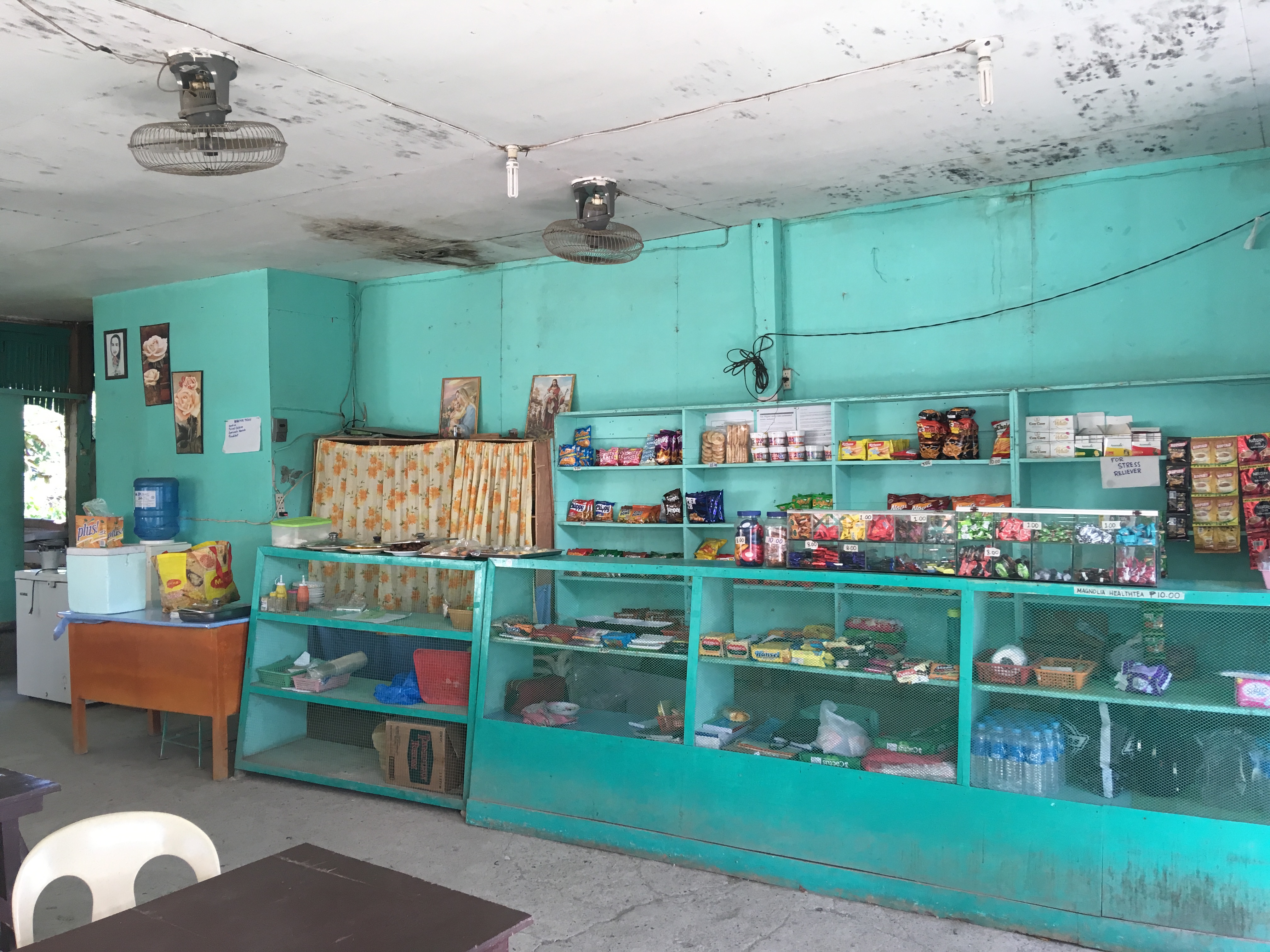
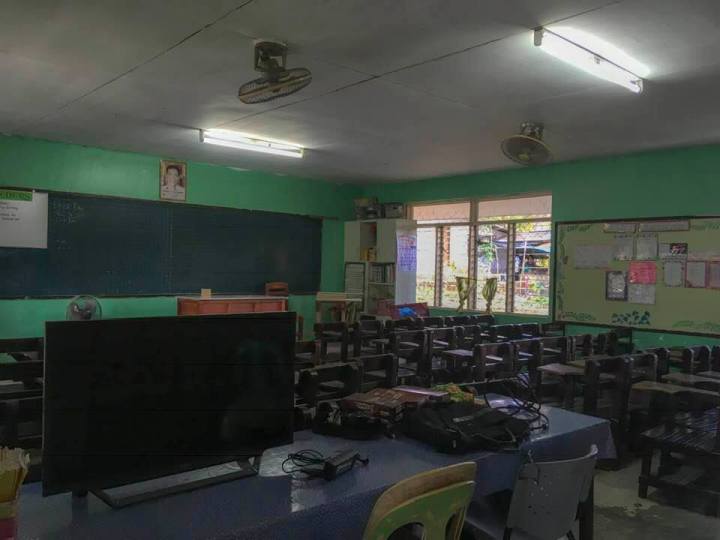
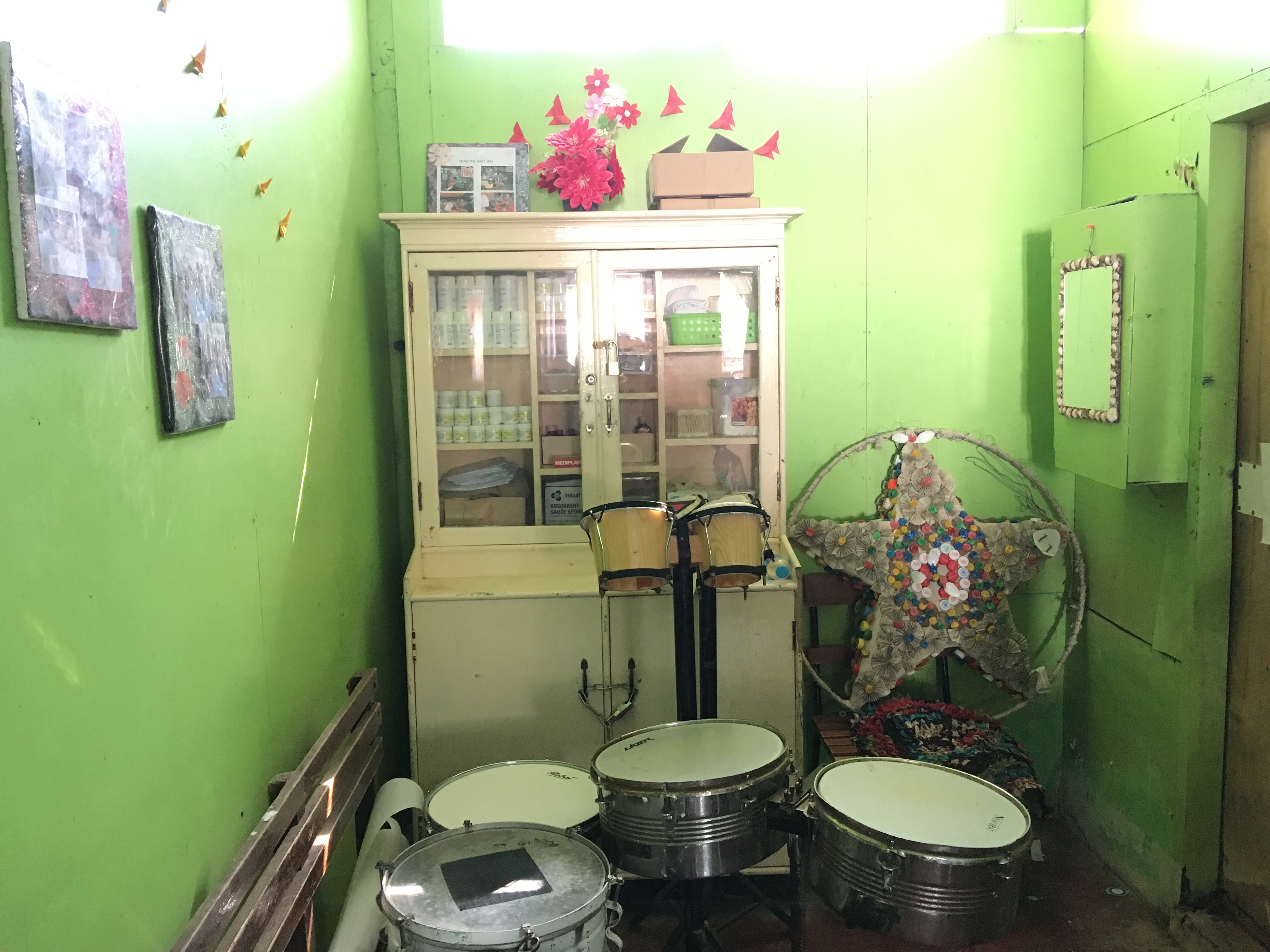
1.2.6 School Environment
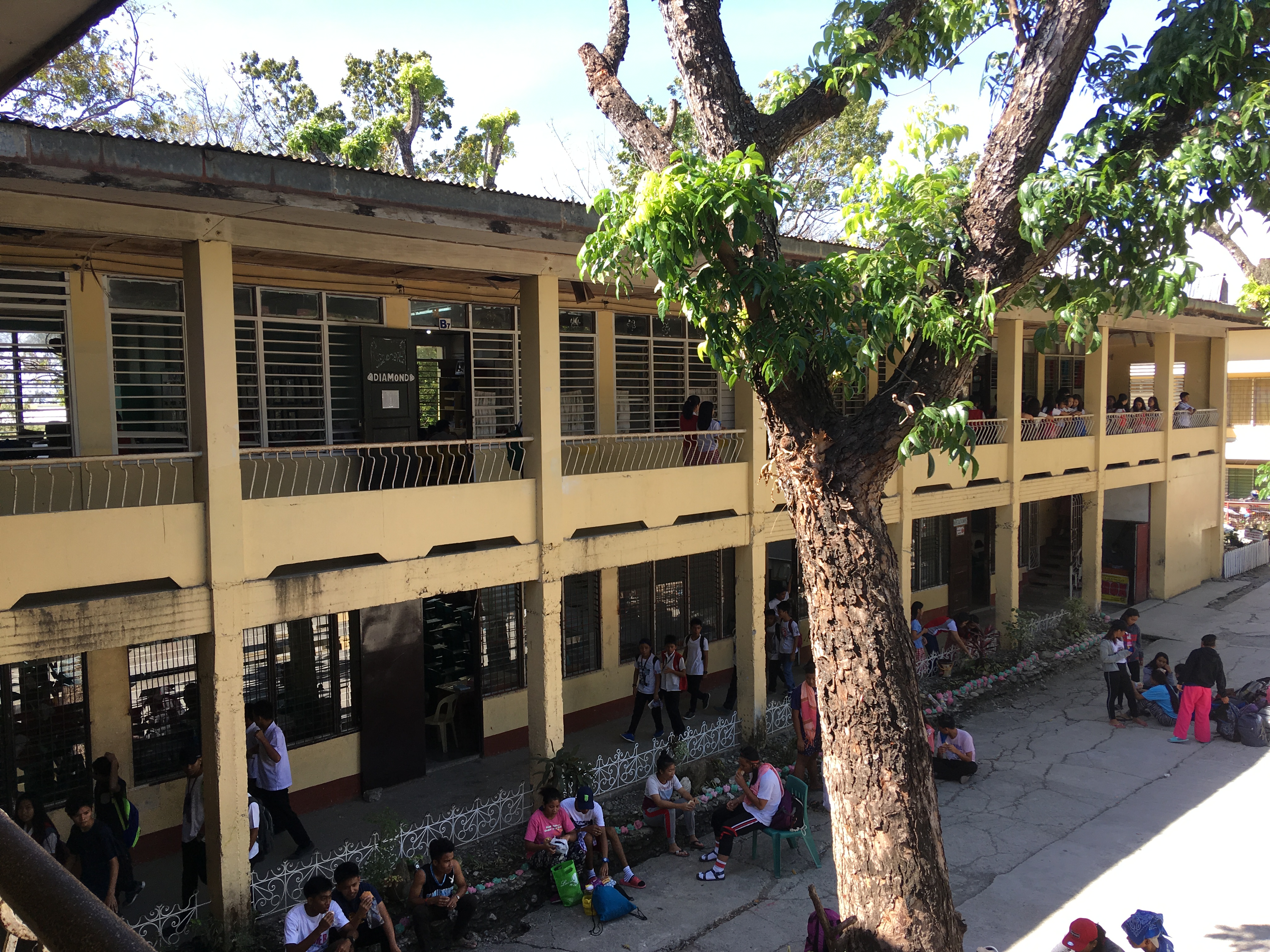
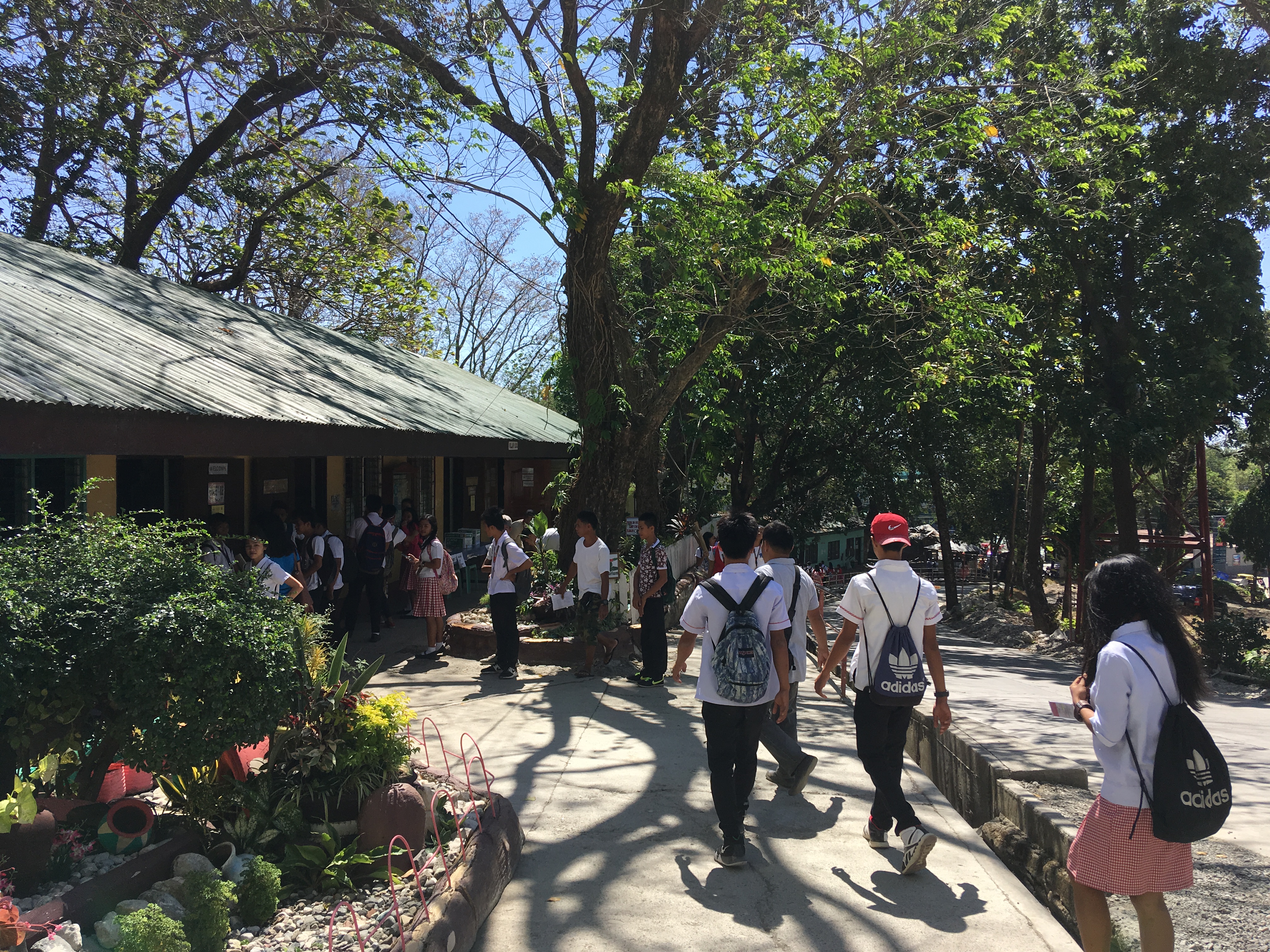
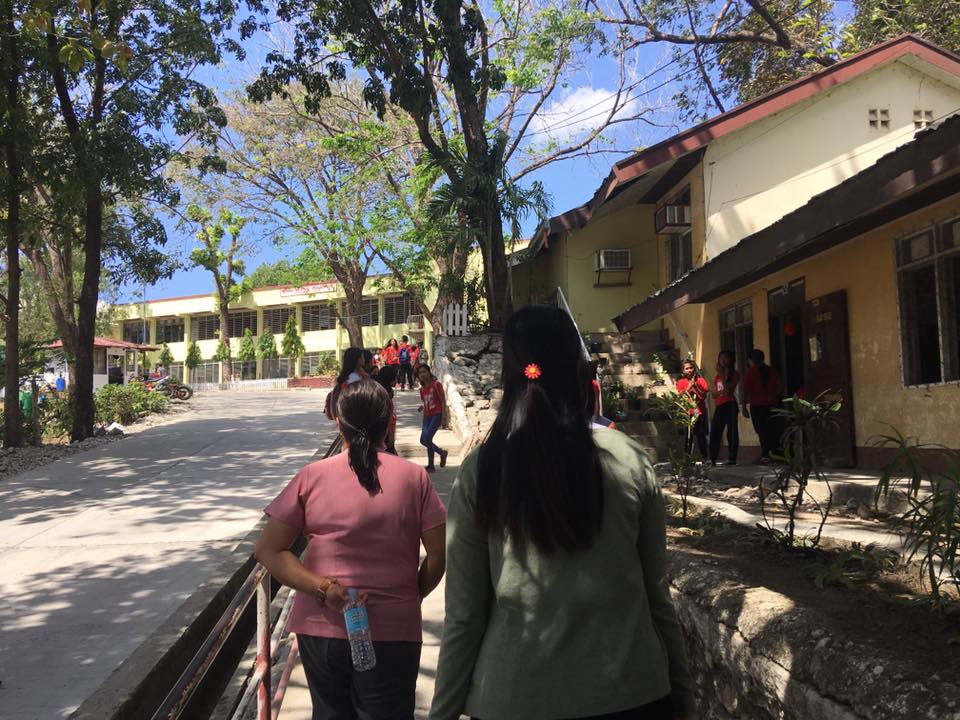
Miagao National High School has a 4 main buildings consist of Office’s building, Classroom’s building, Canteen behind of Classroom’s building and Home Economics Laboratory is next to Classroom’s building.
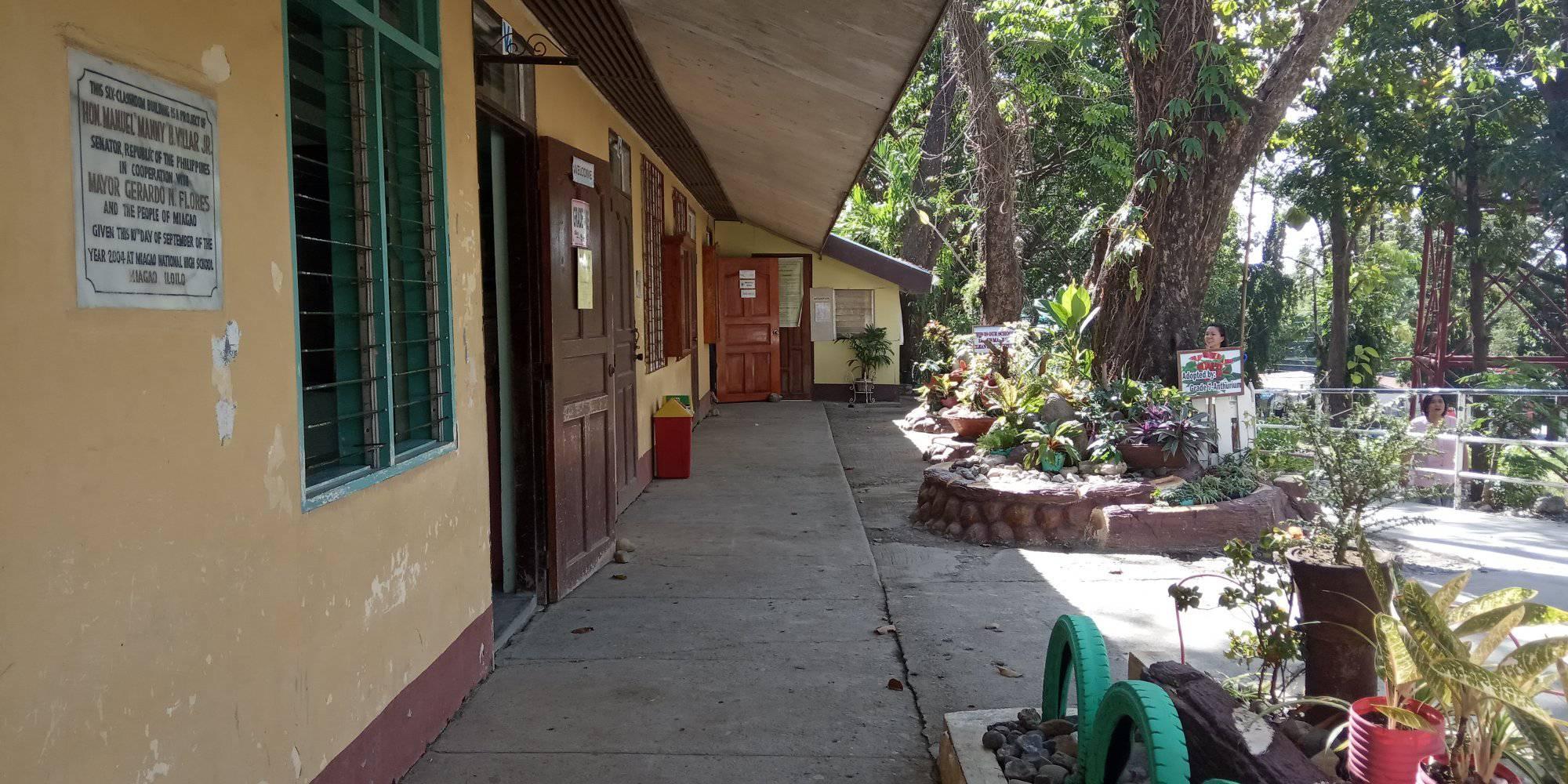
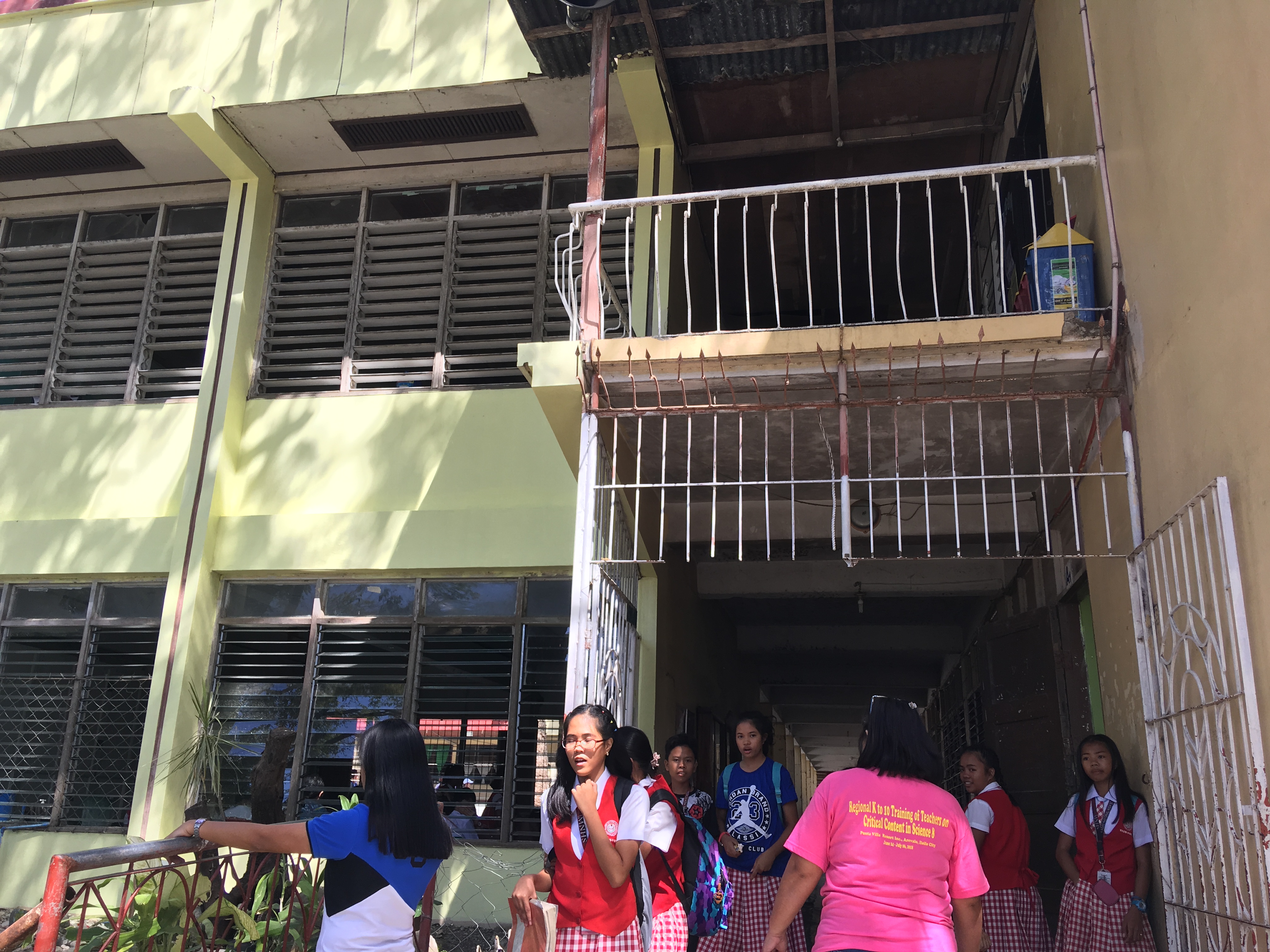
1.3 Teaching system
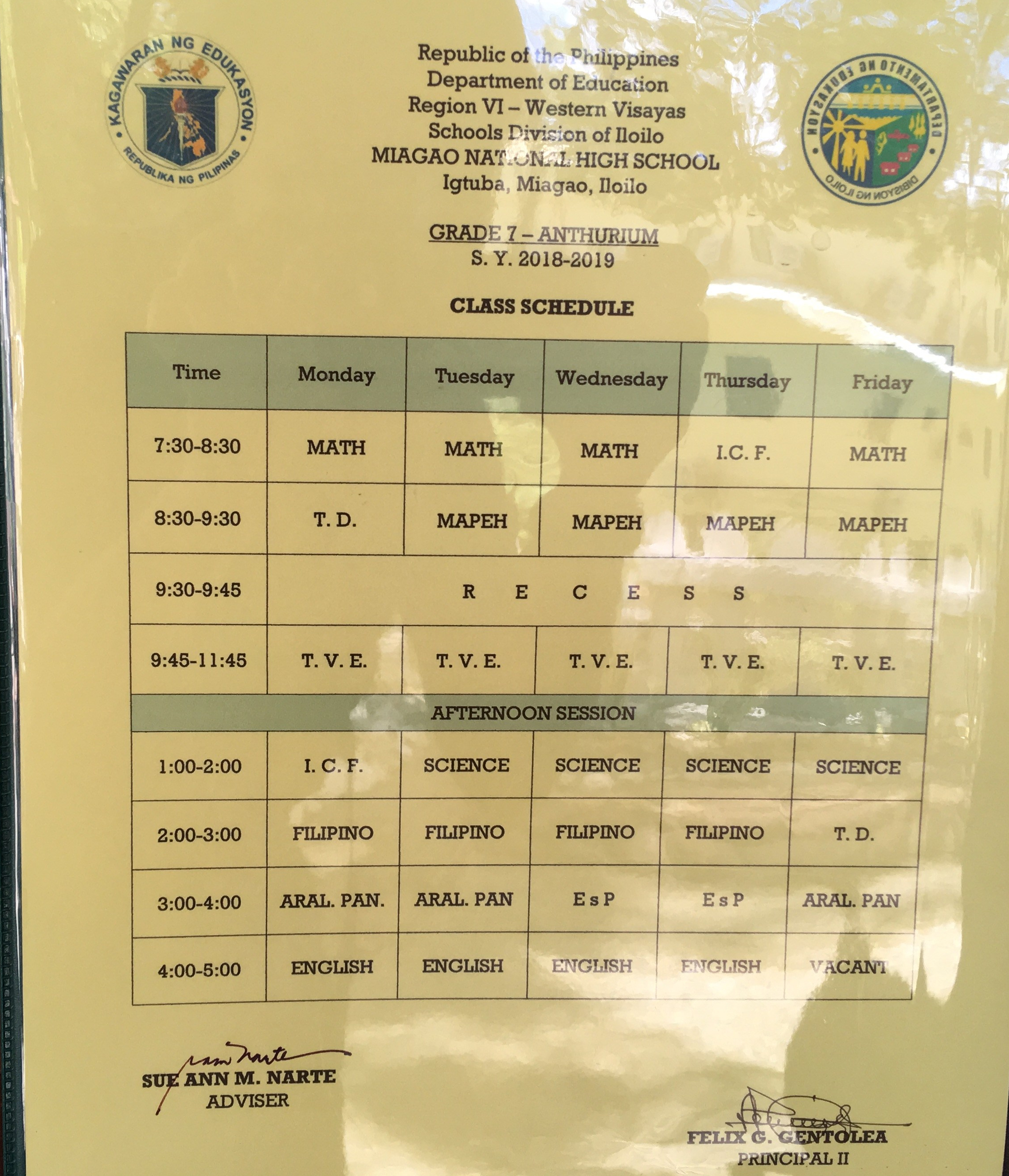
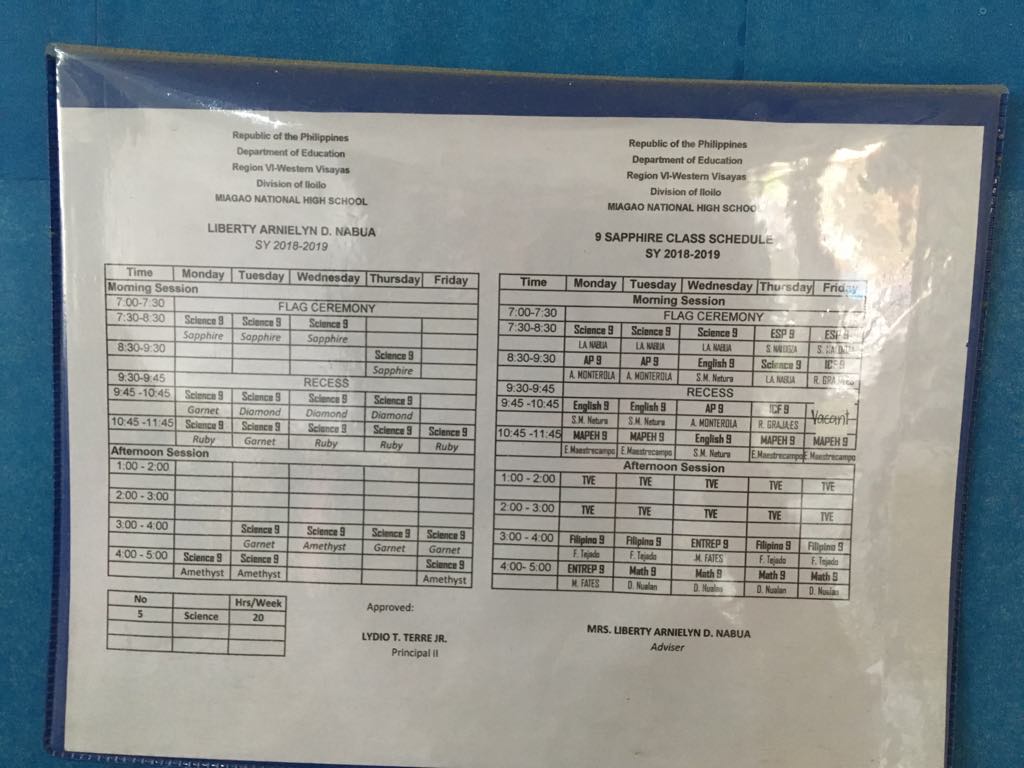
Lessons are start up Monday to Friday, from 7.30am. Students participate in the morning ceremony every Monday, and take classes on Monday- Friday. There are 7 classes per day for students. The teachers have average 4 class per day. The first class is started at 7.30am until 9.30 a.m. During time 9.30 am – 9.45 am is time to first break and at 9.45 a.m, this is the time that students have stated class again. The students have 1.15 hour for have lunch (11.45a.m. -1p.m). After lunch break, they will start the afternoon session at 1.00 pm until 5.00pm.
1.4 Materials and other learning sources
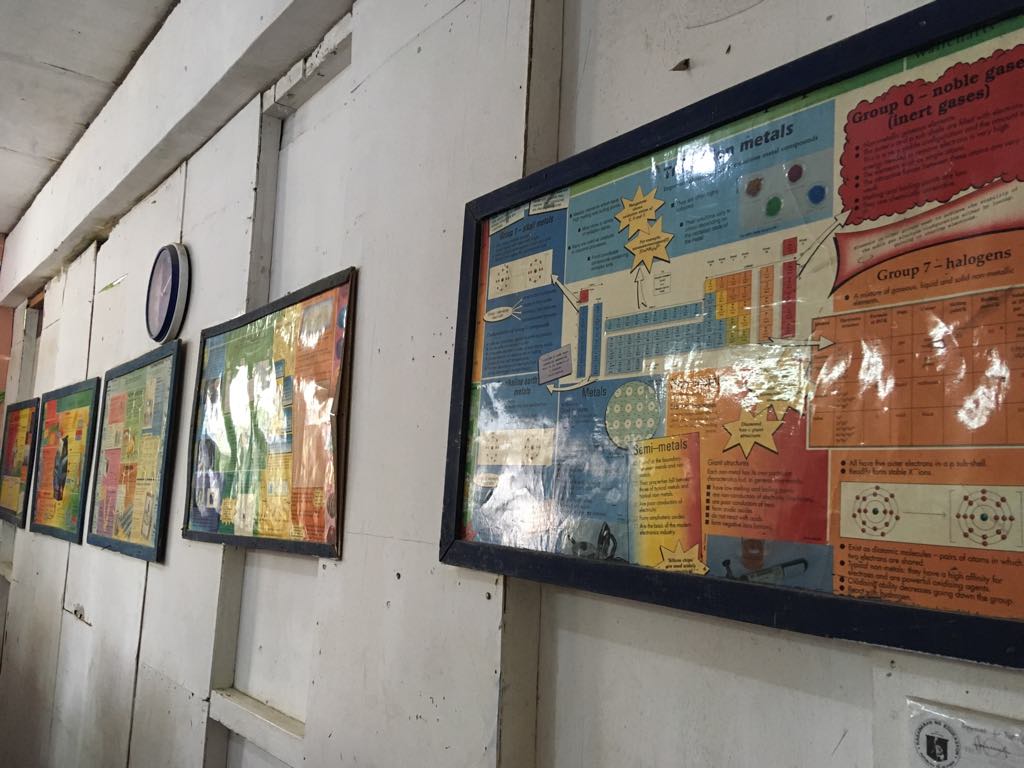
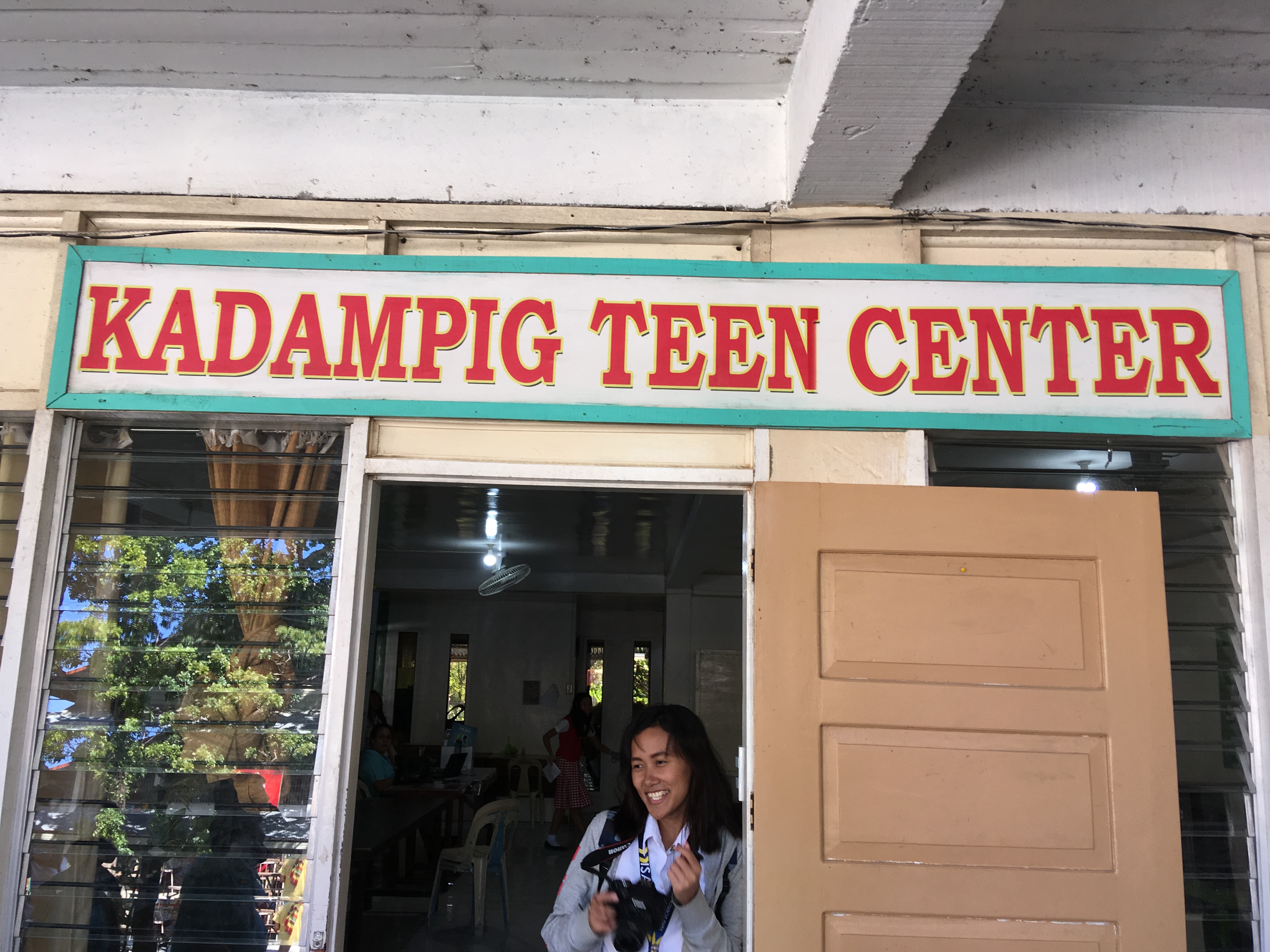
Although in school don’t have the library, students can study by themselves at Kadampig teen center which have a lot of knowledge video, games and books. About in classrooms don’t have the projector or computer. Teachers can use a white board and television to present Power Point Presentation. In addition, the teacher can prepare picture, materials of experiment and students’ activity sheet for students.
1.5 Measurement and evaluation system
Teacher estimate student achievement in class by check scored points from student assignments, tests, quizzes and exams. Most of the points are focused on midterm examination and final examination. Some teacher uses rubric table for normative. Each assessment holds a curtain weight in the overall grade. Exam results around 50% of the grade, while daily assignment are around 30% and 20% for an attribute and student responsibility in class.
1.6 Curriculum
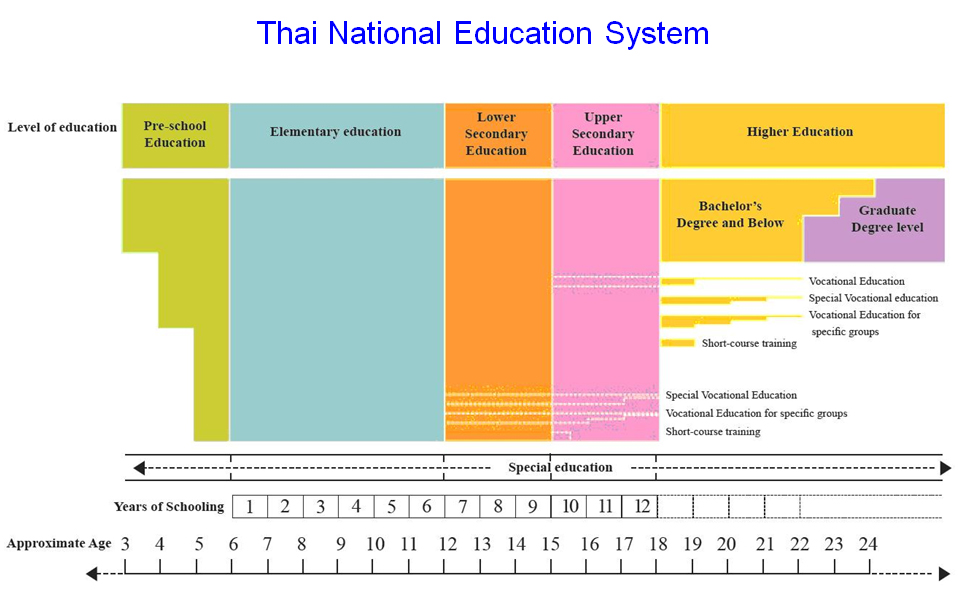
The curriculum that used in school is based on K to 12 Basic Education Curriculum. The curriculum in Thailand and Philippines have a common goal of an education is to developed students become quality people and can apply knowledge in real life but slightly different.
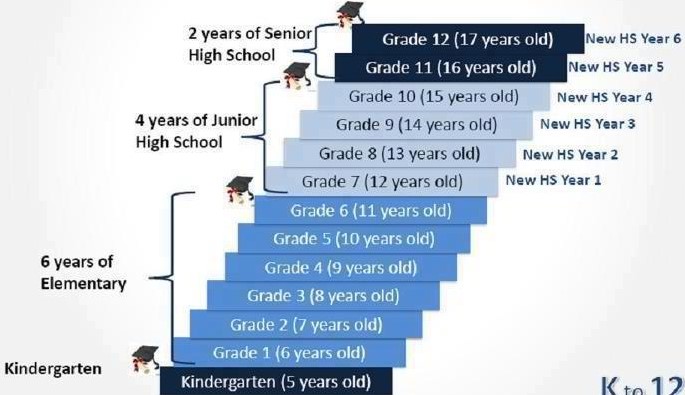
The Filipino student must study one year for Kindergarten, six years for primary education, four years for Junior High School, and two years for Senior High School. During this time, they provide sufficient time for mastery of concepts and skills, develop lifelong learners, and prepare graduates for tertiary education, middle-level skills development, employment, and entrepreneurship.
The curriculum education in Thailand is 6 years old in secondary education while the Philippines is 4 years old only. The Philippines uses a bilingual medium of instruction while certain subjects are taught in English, the rest are taught in the national language which is Filipino, Thailand on the other hand generally use their mother tongue as a medium of instruction.
1.7 Lesson plan (lesson plan of your major)
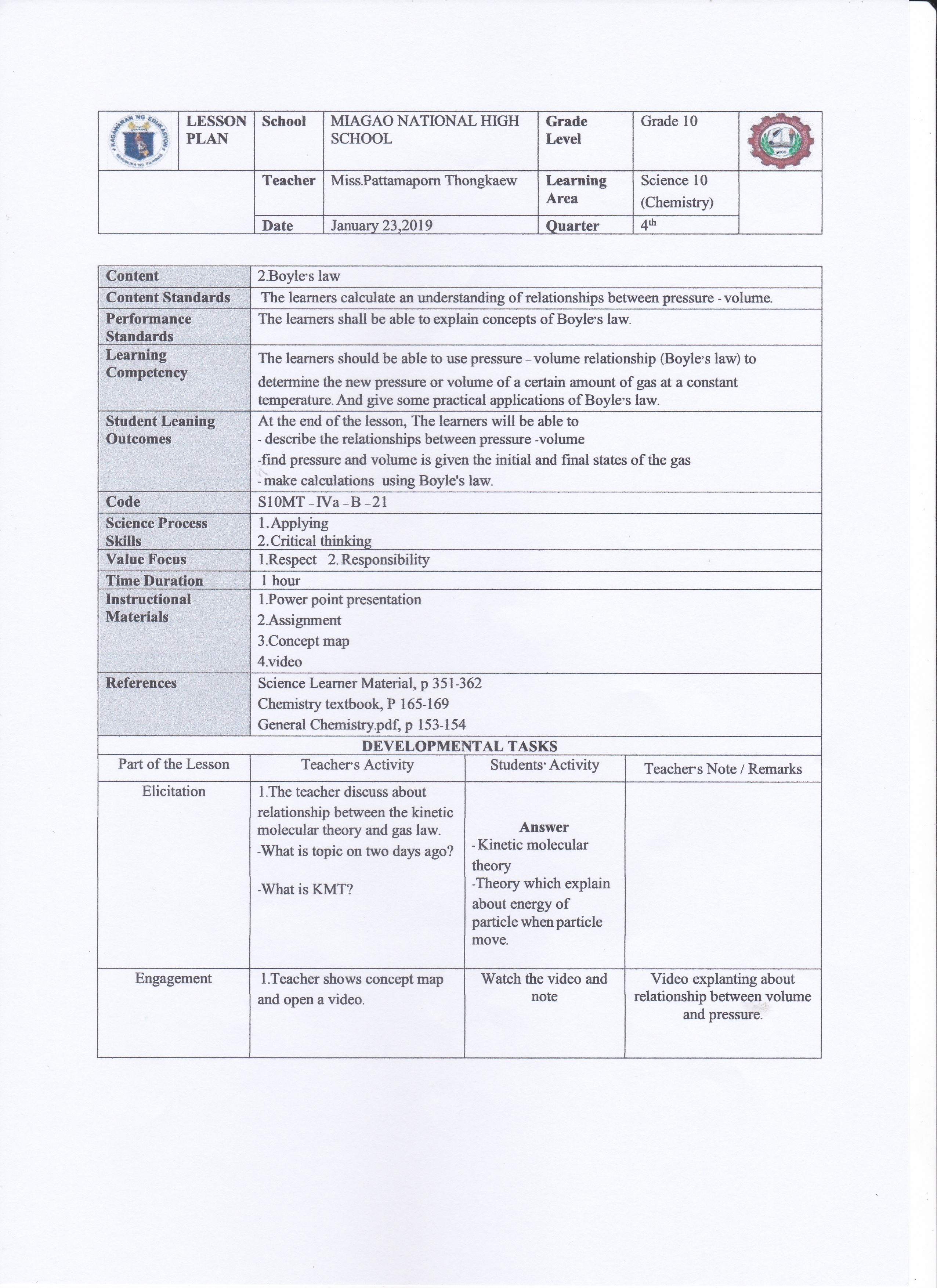
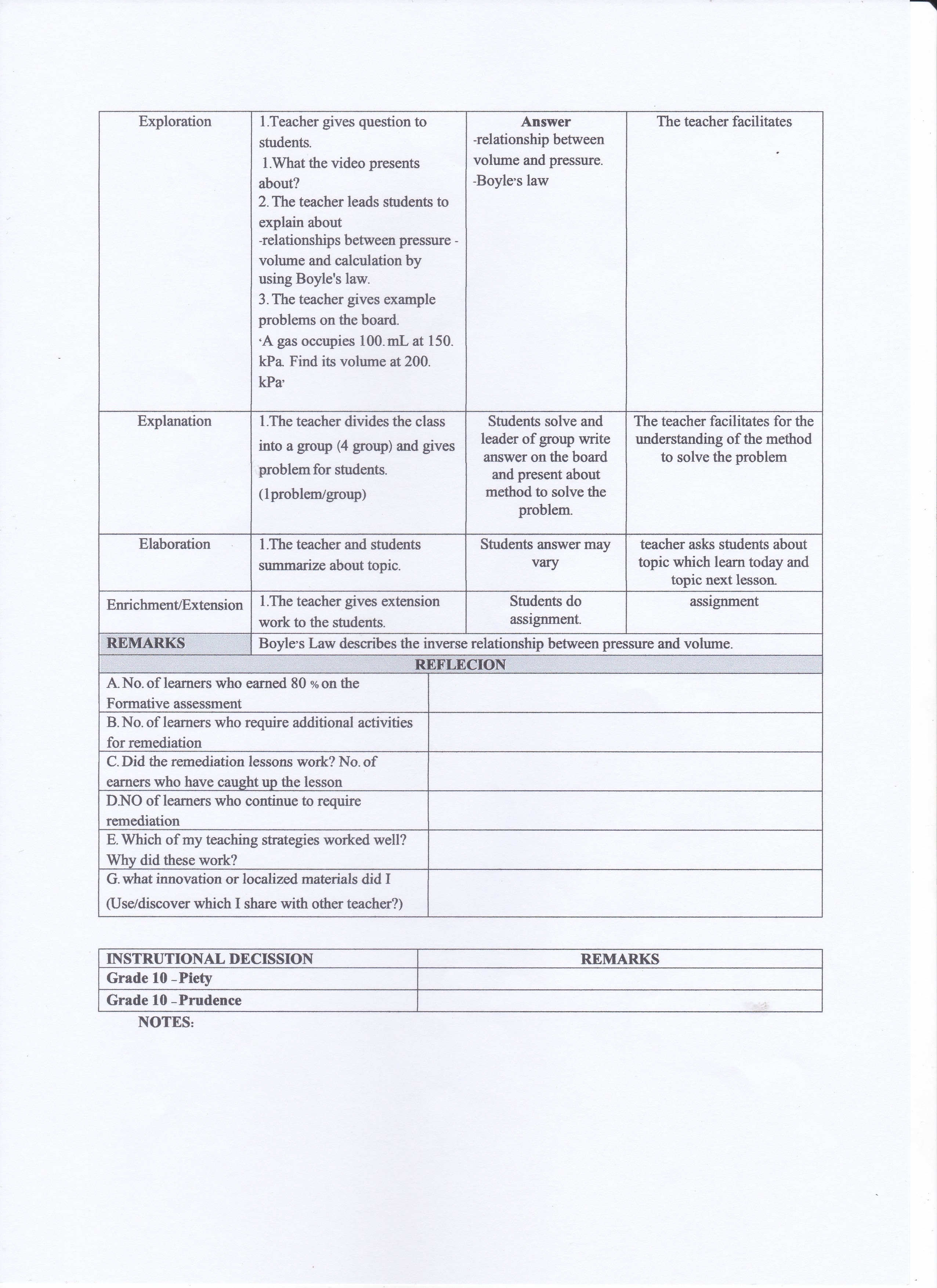
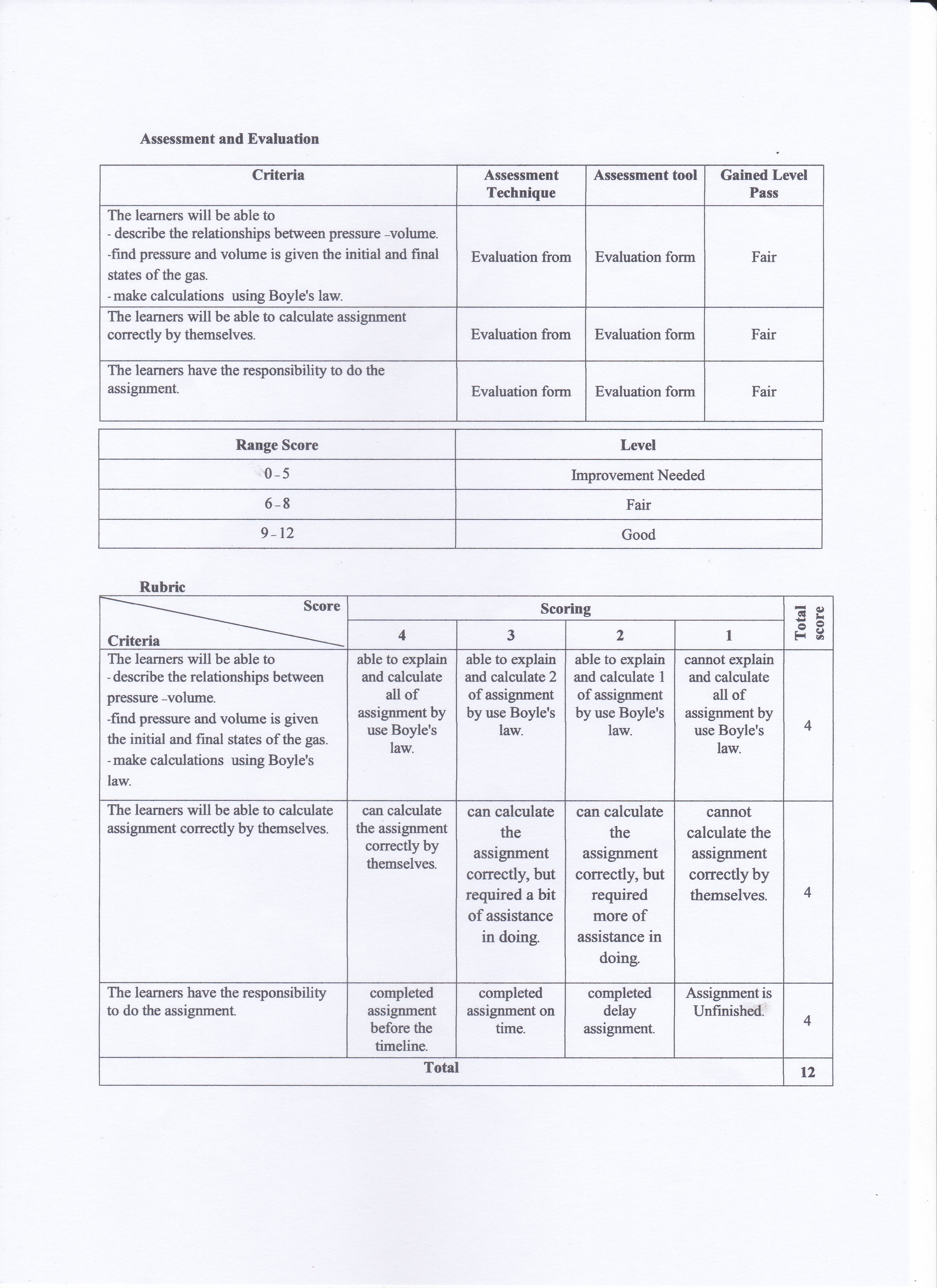
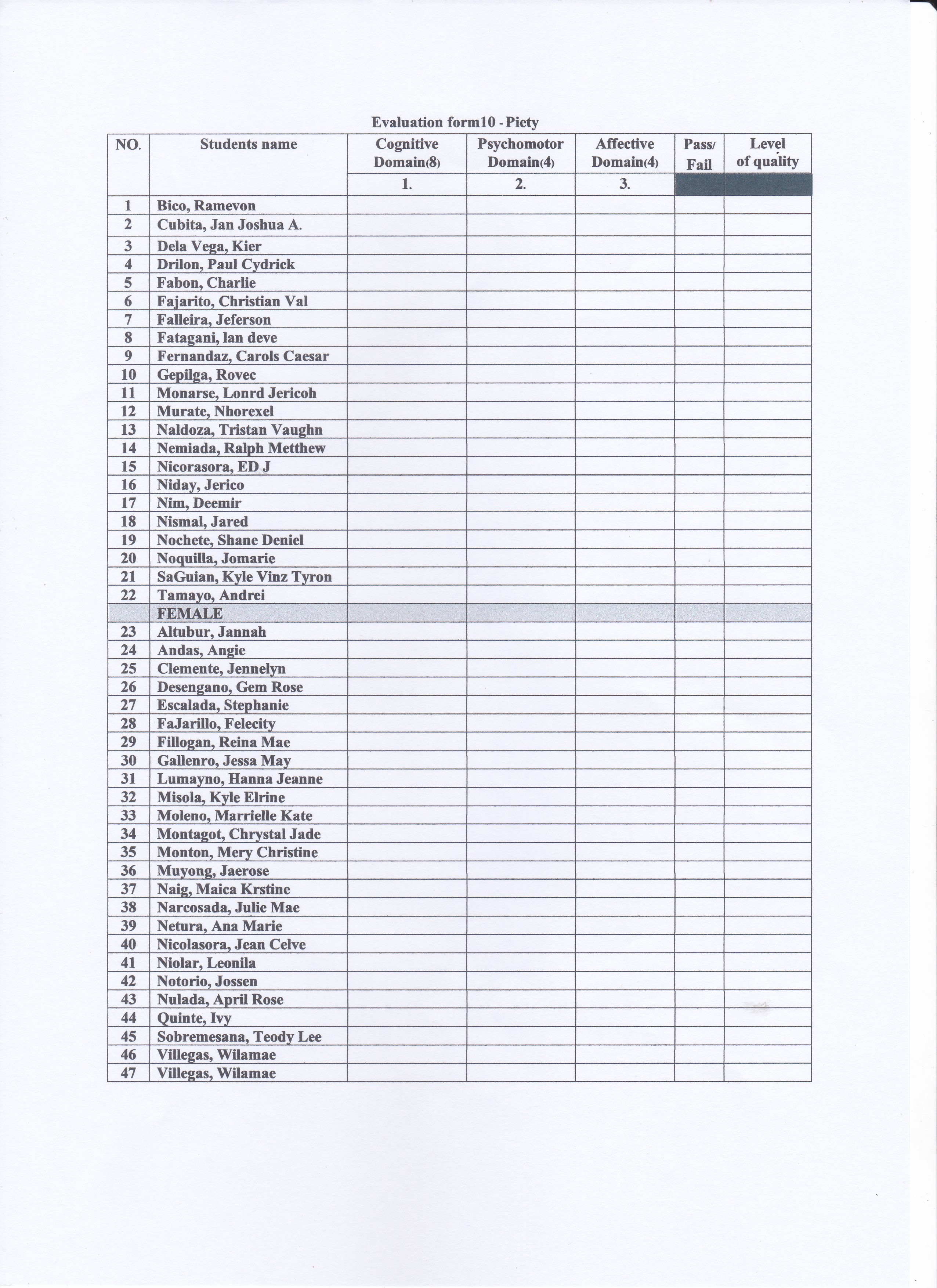
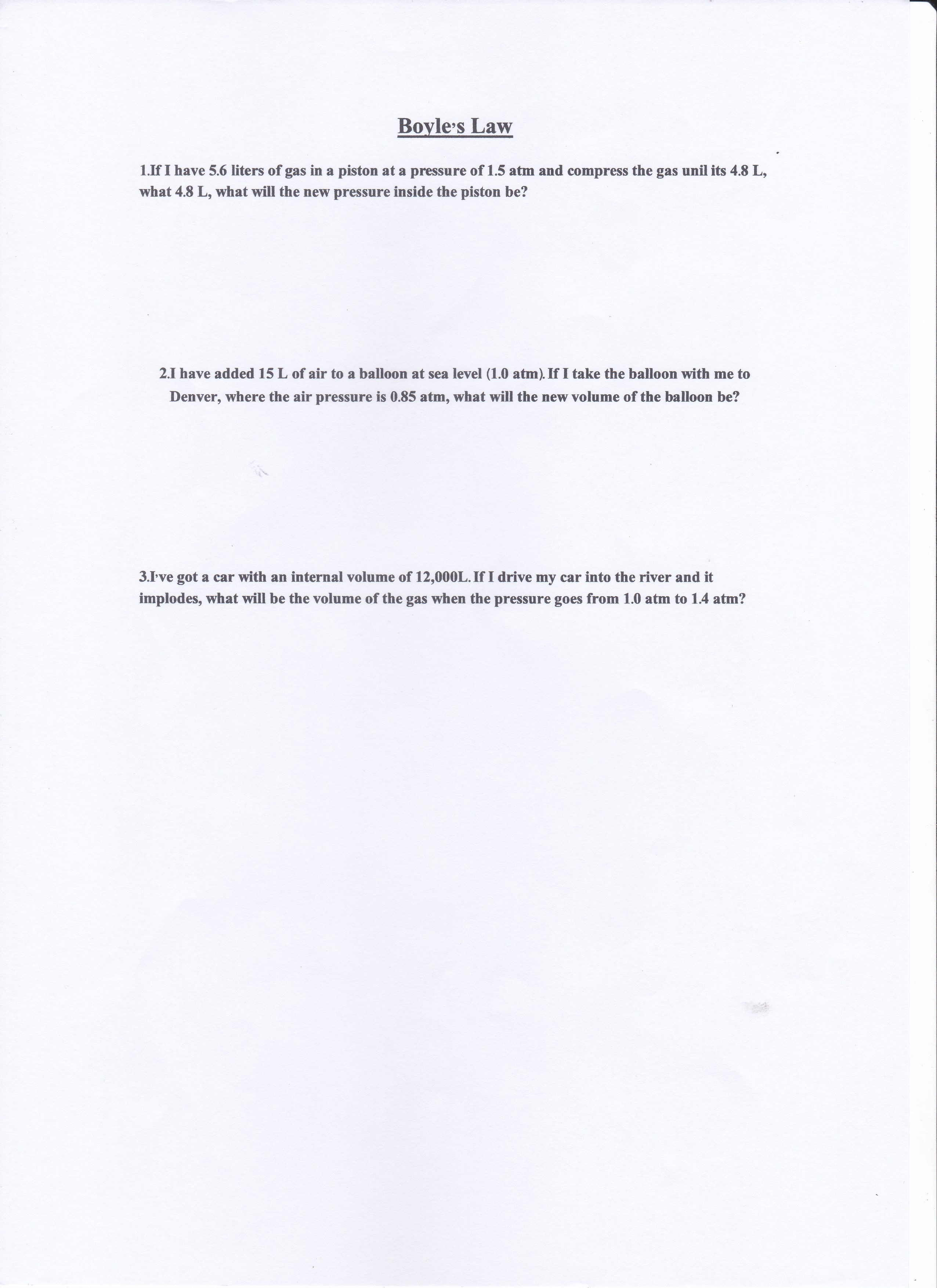
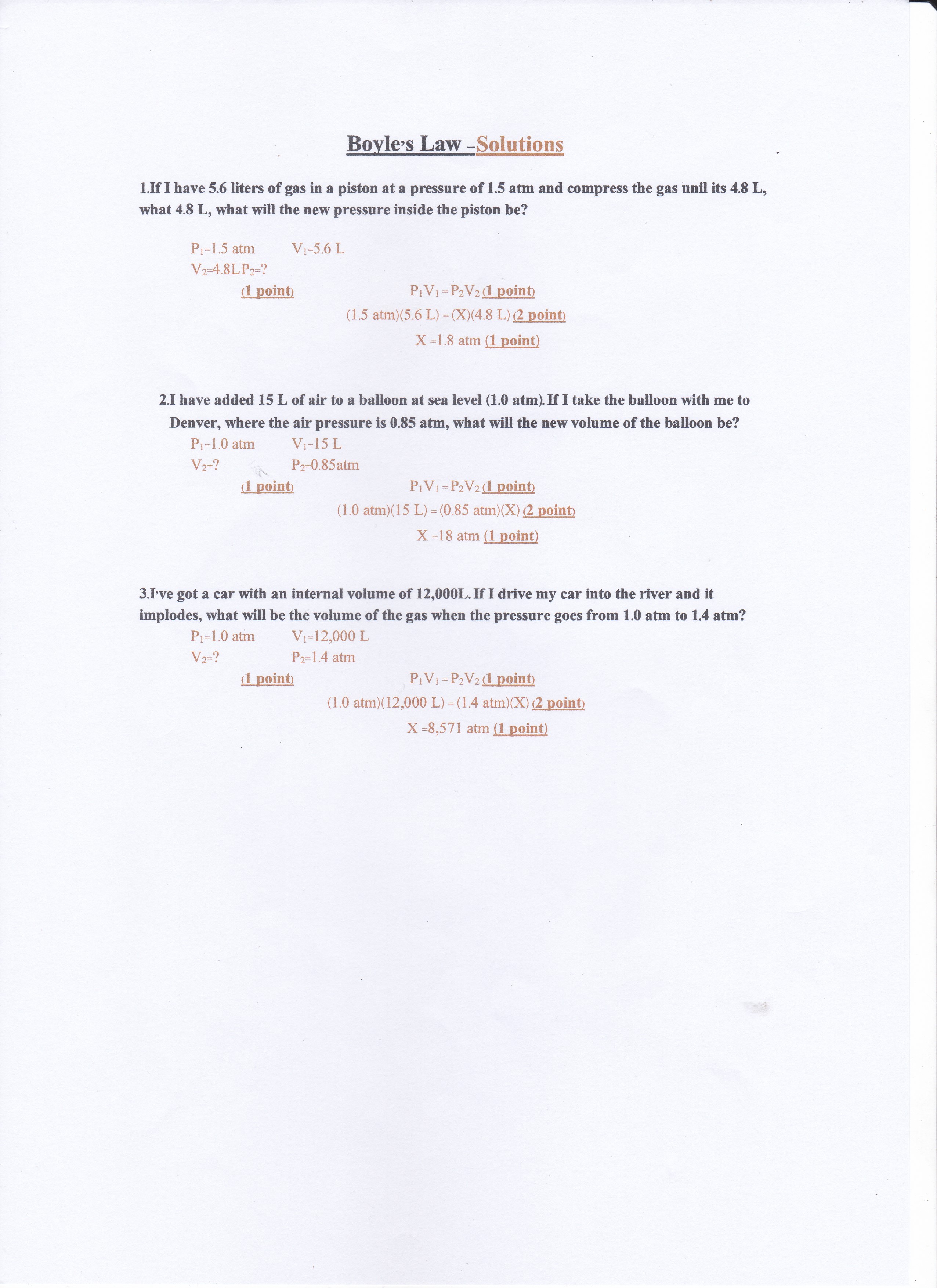
THis is example of chemistry lesson plan.
 SEA Teacher Project Batch 7